
Inside the question engineOpen the field notes
Country pairs are matched by population density: population divided by land area. Each stage makes the gap more subtle.
The population density quiz: how it works
This quiz tests whether you know where people live most densely. Population density is the number of people per square kilometer of land area, so small city states can outrank huge countries.
How does the quiz pair countries by density?
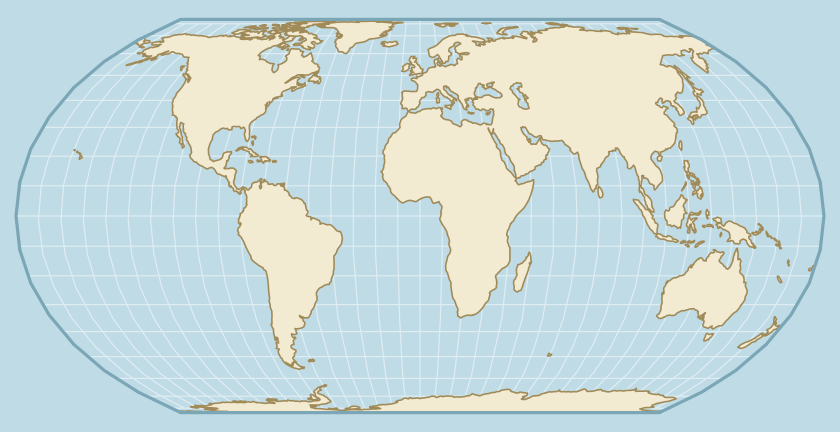
Each round has 10 questions. Pairs are drawn from 196 countries and territories that have verified data and an outline on the map. The density gap between the answers shrinks at each stage: from 50% to 150% in the first questions to only 2% to 8% in the last ones.
How is population density calculated?
We calculate density as World Bank population divided by World Bank land area (FAO data).
A fact: the most and least densely populated areas
The most densely populated area in the data is Monaco (18,397.8 people/km²), and the most sparsely populated is Greenland (0.1 people/km²).
Frequently asked questions
Why are small states among the most densely populated countries?
Density is the number of people divided by area, so little space raises it as much as many people do. In the quiz, 7 of the 10 most densely populated countries cover less than 1,000 km² of total area.
How does population density differ from population?
Population says how many people live in a country, while density says how many live per square kilometer of land. Example: Bangladesh has 175.7 million people at 1,351.6 people/km², and Russia has 143.5 million people at 8.8 people/km². The first country has more people and a density about 154 times higher.
Why is density counted on land area?
Inland waters such as lakes are not places to live, so land area shows better how much room people have. Example: Finland has 336,884 km² of total area against 303,960 km² of land area.